← All postsAnti-aging

PDRN Skincare: The Korean Clinic Ingredient Changing Skin Renewal

B

Written by

Beauty Editor

While Australian skincare was still debating retinol, Korean dermatology clinics had already spent a decade building treatment protocols around something entirely different. PDRN doesn't stimulate the skin aggressively from the outside. It works with the skin's own cellular environment to support renewal from within and the results hold up to scrutiny.

5 April 2026·12 min read·
PDRN Skincare: The Korean Clinic Ingredient Changing Skin Renewal

Not sure your skin type? Take our free 2-minute quiz.

Start quiz →

PDRN Skincare: The Korean Clinic Ingredient Changing Skin Renewal

While Australian skincare was still debating retinol, Korean dermatology clinics had already spent a decade building treatment protocols around something entirely different. PDRN doesn't stimulate the skin aggressively from the outside. It works with the skin's own cellular environment to support renewal from within and the results hold up to scrutiny.


What Is PDRN?

There is a moment in many skincare journeys when the standard actives stop feeling like enough. The barrier has been repaired, the routine is consistent, and yet something deeper, a certain resilience, a quality of renewal, remains out of reach. For many Koreans, that moment led to the clinic. And in the clinic, more often than not, it led to PDRN.

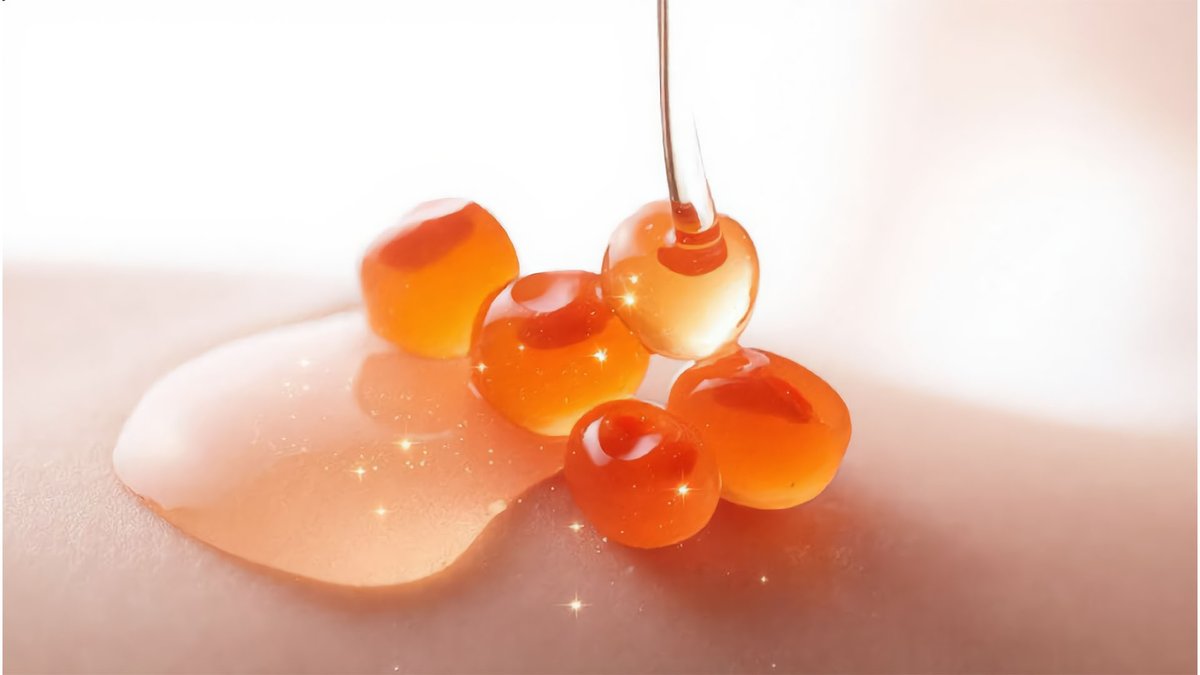
PDRN, or Polydeoxyribonucleotide, is a bioactive compound derived from salmon DNA. It has been used in Korean dermatological and aesthetic clinic settings for years, prized for its ability to support the skin's natural recovery processes without triggering the kind of irritation that more aggressive actives can produce. What began as an ingredient exclusive to professional treatment protocols has evolved into one of the most sought-after actives in clinical-grade skincare formulations, reshaping what both consumers and clinic owners expect from advanced skin renewal.

Understanding PDRN properly, however, requires understanding the Korean approach to skin renewal. It is not simply an ingredient. It is a philosophy applied at the molecular level.

Please note: Topical PDRN is an emerging ingredient category with limited peer-reviewed evidence compared to injectable formulations. Preliminary evidence and manufacturer claims suggest promising results, but research is ongoing and results may vary.


The Korean Clinical Philosophy Behind PDRN

Korean skincare has long distinguished itself by its focus on the skin's internal conditions rather than its surface appearance alone. Where Western approaches have historically favoured visible correction, brightness from acids, smoothness from physical exfoliation, volume from fillers, Korean clinical skincare has concentrated on optimising the environment in which skin cells function.

This means prioritising barrier integrity, cellular communication, and long-term resilience over rapid but temporary results. PDRN fits precisely within this framework. Rather than forcing a visible change at the surface, it works at a deeper biological level, supporting the conditions under which the skin can renew itself more effectively.

It is this distinction that separates PDRN from the category of "corrective" ingredients and places it firmly in the category of "restorative" ones. The skin is not being pushed. It is being supported. And in Korean dermatology, both in the clinic and in the formulation lab, this is considered a far more sophisticated approach.


How PDRN Works in the Skin

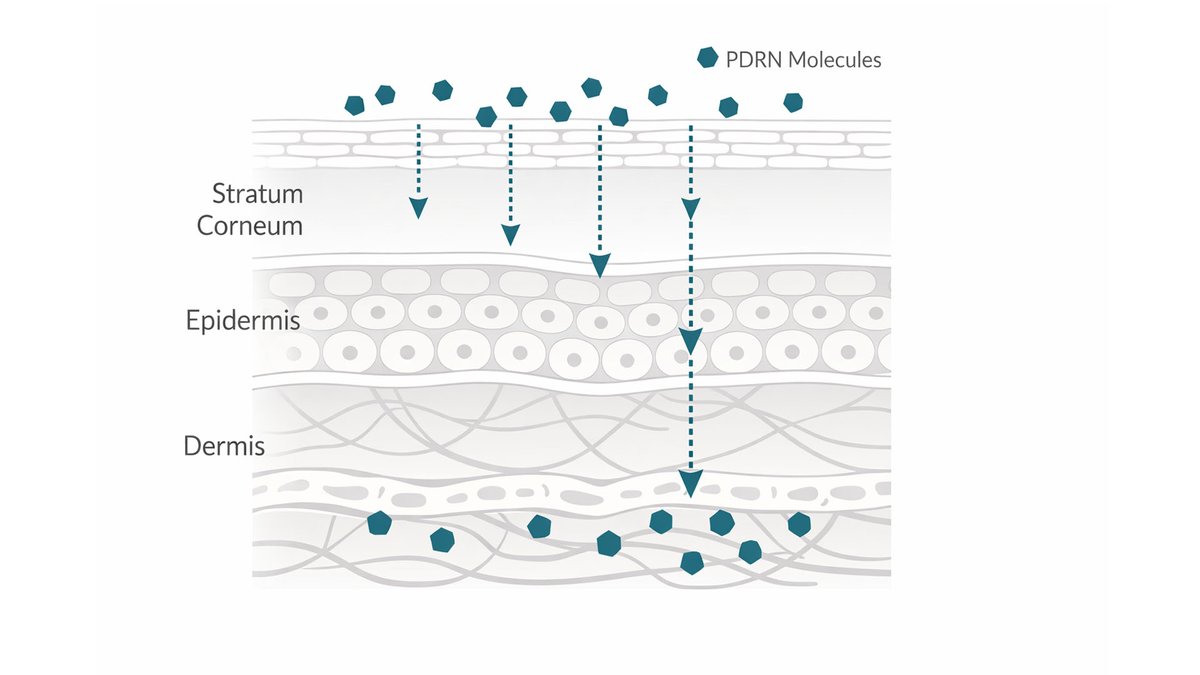
PDRN is composed of short chains of DNA fragments, specifically, fragments that closely match the molecular structure found in human cells. This structural similarity is part of what makes PDRN so well tolerated, even by skin that has become reactive or sensitised.

When applied topically in a well-formulated product, PDRN is understood to interact with receptors involved in cellular activity, supporting the skin's natural cycle of repair and regeneration. In practical skincare terms, this translates into skin that appears firmer over time, with improved texture, a more even tone, and a reduction in the appearance of dullness or fatigue.

It is important to note that PDRN is not a retinoid. It does not accelerate cell turnover in the way that vitamin A derivatives do. There is no purging phase, no obligatory period of dryness or sensitivity. For clients who have previously reacted to more aggressive renewal ingredients, this is one of PDRN's most significant clinical advantages.

PDRN has also been associated with a supportive effect on the skin's overall recovery capacity, making it particularly relevant in the context of compromised or post-procedure skin. This is precisely why it has earned such a strong foothold in professional aesthetic practice in Korea, and why it is now being incorporated into clinic treatment protocols and professional-grade skincare formulations across Australia.
---

PDRN and Bakuchiol: Why K-Beauty Pairs Them

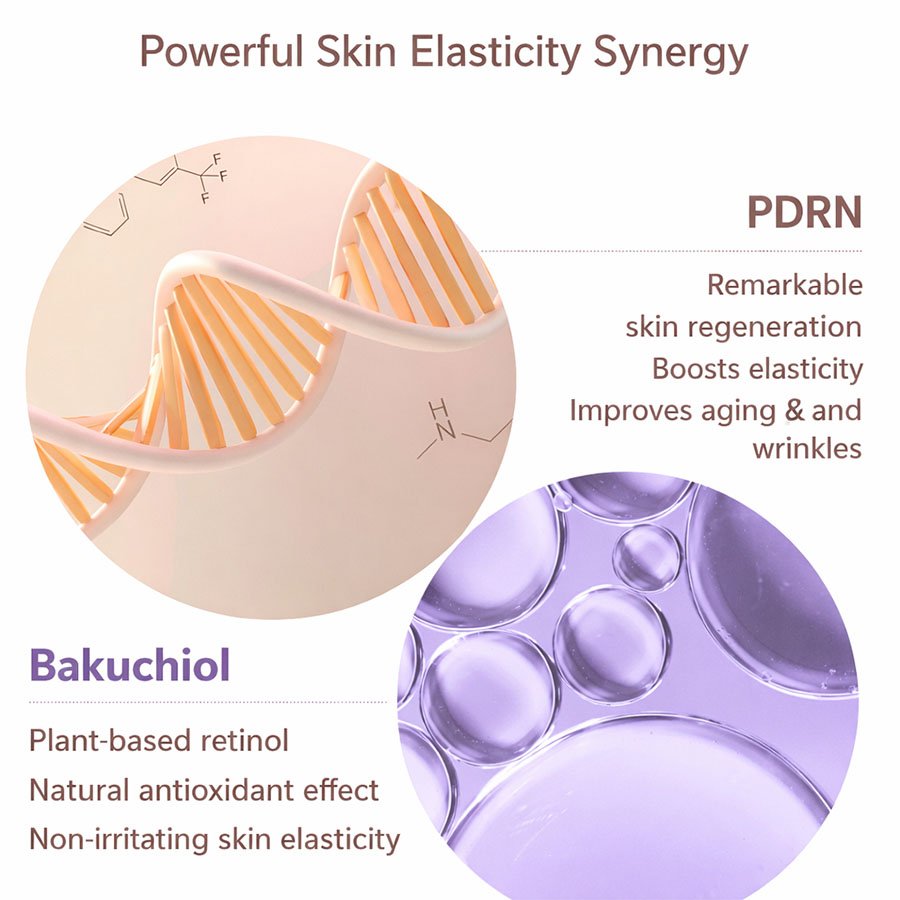
One of the more sophisticated choices in modern Korean formulation is the pairing of PDRN with bakuchiol, a plant-derived active that has attracted considerable attention for its ability to support firmer, more refined-looking skin without the irritation profile of conventional retinoids.

Bakuchiol works through a different pathway to PDRN, but the two share a common philosophy: gentle, sustained renewal rather than aggressive correction. Bakuchiol supports the appearance of skin firmness and helps improve the look of fine lines and uneven texture, while remaining suitable for sensitive or reactive skin types. When combined with PDRN, the result is a formulation that addresses multiple dimensions of skin renewal simultaneously, without stacking the kind of harsh actives that can destabilise the barrier.

This pairing reflects the K-beauty principle of layered efficacy: achieving more by working with the skin's natural processes rather than against them. Products such as CUSKIN's Dr.Solution PDRN Bakuchiol Ampoule embody this approach, combining both actives in a format designed for professional-level results, whether used within a clinic treatment protocol or as part of a structured daily skincare routine.

It is also worth noting that bakuchiol is fully compatible with sun exposure, unlike many conventional renewal ingredients, making it a highly practical choice in the Australian context, where sun protection is a non-negotiable part of any responsible skincare philosophy.

Note: Efficacy of PDRN formulations can vary depending on concentration, so we recommend checking the full ingredient list on packaging.

CUSKIN

Dr.Solution PDRN Bakuchiol Ampoule 35ml

$78.00 AUD

Shop →

Who Should Try PDRN Skincare?

PDRN is a versatile ingredient, but it delivers the most noticeable results for specific skin profiles. Those experiencing the early signs of skin ageing, reduced firmness, increased dullness, a loss of the even, resilient quality that younger skin maintains, will find PDRN particularly well suited to their concerns.

It is equally well regarded for skin that has been over-treated. Years of strong actives, inconsistent barrier support, or repeated inflammation can leave skin in a state of low-grade reactivity where further stimulation simply adds to the problem. PDRN's restorative profile makes it an appropriate choice for reintroducing advanced skincare to skin that has been compromised, whether in a professional treatment setting or as part of an ongoing home maintenance protocol recommended by a skin therapist.

Post-procedure skin, whether following laser, microneedling, or spicule-based treatments, also benefits from PDRN's supportive qualities, which is why it remains a fixture in Korean clinic recovery protocols. Clients maintaining clinic results between sessions respond particularly well to PDRN-based formulations, providing continuity and helping to consolidate the work done in the treatment room.

Finally, those with combination or oily skin who have historically avoided richer actives will find PDRN suitable, particularly in ampoule or lightweight serum formats that deliver clinical efficacy without heaviness.


Common Mistakes When Using PDRN

Despite its gentle profile, PDRN is sometimes used in ways that limit its effectiveness. The most common error, seen both in self-directed routines and occasionally in clinic protocols, is treating PDRN as an add-on rather than a foundational element. PDRN works most effectively when the skin barrier is already functioning well. Applying it over a compromised or inflamed barrier does not provide the conditions in which it can perform optimally.

A second mistake is pairing PDRN with actives that work against its restorative intent. Strong exfoliating acids used simultaneously, particularly at high concentrations, can undermine the very cellular environment that PDRN is working to support. The K-beauty approach here is clear: when PDRN is the focus, the surrounding routine should be oriented toward support and renewal, not aggressive correction.

Finally, inconsistency is the most reliable way to underestimate PDRN's results. Unlike surface-acting ingredients whose effects are visible immediately, PDRN operates over a longer timeline. Regular use over weeks and months is where its benefits become most apparent. In a clinic context, this is an important point to communicate to clients, who may need to understand that PDRN is an investment in cumulative skin quality rather than an ingredient that delivers immediate visible change.


PDRN by Skin Concern

Ageing and loss of firmness: PDRN used alongside bakuchiol and multi-weight hyaluronic acid addresses both the surface and structural appearance of ageing skin. The combination supports a firmer, more hydrated appearance without the sensitivity risk of conventional retinoid-based routines, making it an excellent choice for mature-skin clinic clients.

Sensitive and reactive skin: For skin that has become reactive over time, whether due to over-exfoliation, environmental stress, or barrier damage, PDRN provides a pathway back to more resilient skin. Paired with panthenol (Vitamin B5) and centella asiatica, it forms part of a deeply supportive, low-irritation protocol suitable for both in-clinic use and ongoing client home care.

Post-treatment recovery: Following professional treatments, PDRN supports the skin's natural recovery process. Used alongside ceramide-rich moisturisers and gentle, fragrance-free cleansers, it helps the skin return to a stable, healthy condition more efficiently, which is particularly valuable when clients are receiving a course of intensive treatments.

Dull or fatigued skin: Skin that looks tired or lacks the luminosity associated with healthy function often responds well to PDRN combined with niacinamide. While niacinamide addresses surface-level brightness and pore appearance, PDRN works at a deeper level to support the skin's underlying renewal processes, making the combination effective as both a standalone routine and a between-treatment maintenance protocol.


In the Clinic and Beyond: How PDRN Fits Both Settings

In a Korean clinical setting, PDRN has traditionally been delivered through injectable or intensive professional treatments, allowing for concentrated delivery directly into the dermal layers. This remains the gold standard for clients seeking maximum efficacy, and clinic-based PDRN protocols continue to be among the most in-demand offerings in Korean aesthetic practice.

What has changed is the availability of professional-grade topical formulations that bring PDRN's restorative logic into the full treatment journey. Clinics are increasingly recognising the value of recommending structured skincare protocols that extend the results of in-clinic work. When clients use PDRN-based products consistently between appointments, results consolidate more effectively, client satisfaction improves, and the case for ongoing treatment becomes self-evident.

---

Why Clinics Prefer PDRN

The adoption of PDRN within Korean clinical practice is not accidental. Clinic owners and skin therapists work with a wide range of skin types and conditions, often with clients whose skin has been sensitised by previous treatment histories. In this context, the low irritation profile of PDRN is not a minor benefit. It is a prerequisite.

PDRN's compatibility with other ingredients also makes it easy to layer within complex treatment protocols. It does not compete with peptides, ceramides, or hyaluronic acid. It does not require the careful avoidance of sun exposure that limits retinoid-based ingredients in the Australian context. And it produces cumulative results that clients can observe over time, which supports long-term client retention and confidence in the treatment approach.

For clinic owners building a skincare retail offering that genuinely reflects their treatment philosophy, PDRN-formulated products represent a natural extension of the clinical work already being done. Clients who understand the ingredient and trust its results are more likely to invest in consistent, ongoing care, which benefits both their skin and the health of the clinic's client relationships.

From a professional standpoint, PDRN sits at the intersection of clinical credibility and practical versatility, two qualities that are rarely found together in a single ingredient.


Building a PDRN Routine the Korean Way

The Korean approach to incorporating PDRN follows the same layered logic that underpins all K-beauty skincare: cleanse, prepare, treat, seal.

Morning: Begin with a gentle, pH-balanced cleanser that does not strip the barrier. Follow with a hydrating toner to prepare the skin for subsequent layers, then apply the PDRN ampoule while the skin is still slightly damp. Seal with a lightweight cream suited to the skin type, and always finish with broad-spectrum SPF. PDRN does not make the skin photosensitive, but sun protection remains non-negotiable in any renewal-focused protocol.

Evening: After cleansing, apply PDRN ampoule as the first active step, allowing it to absorb fully before layering a bakuchiol-containing cream over the top. Where additional barrier support is needed, particularly in the cooler, drier months of an Australian winter, a ceramide-rich moisturiser applied as the final step helps to lock in everything beneath it.

Rotation, in the Korean sense, is less about alternating PDRN with other actives and more about reducing unnecessary ingredients when PDRN is the focal point of the protocol. Whether recommending this approach to a client or following it personally, the principle is the same: let PDRN work without competition.

K-Beauty tips in your inbox

Get personalised skincare advice

Join 500+ Australians who get weekly K-beauty routines and product picks.

Take the Skin Quiz →

CUSKIN

Dr.Solution PDRN Bakuchiol Cream 50ml

Shop →

The Bottom Line on PDRN Skincare

PDRN represents something genuinely different in the landscape of active skincare. It is not the loudest ingredient. It does not produce the kind of immediate, surface-visible changes that have come to define many popular actives. What it offers instead is more considered, a deep, sustained support for the skin's natural renewal processes that accumulates over time into meaningful, structural improvement.

For skin clinics and skincare professionals, this positions PDRN as an ingredient with long-term clinical relevance, not a trend to be cycled out but a genuinely restorative active that clients can build a lasting relationship with. For individual skincare users in Australia, navigating the demands of UV exposure, seasonal change, and the residual effects of years of active-heavy routines, PDRN offers a smarter, more sustainable approach to renewal.

The K-beauty philosophy has always maintained that the most sophisticated skincare is the kind that works with the skin rather than against it. PDRN, paired thoughtfully with complementary ingredients and applied within a consistent, barrier-supportive protocol, is one of the clearest expressions of that philosophy available today.

Shop the full CUSKIN range at cuskin.com.au and take your skin renewal routine to the next level.

Exclusive CUSKIN Distributor

Shop CUSKIN Australia

Korean derma-cosmetics shipped from Melbourne

Browse Products →
B

Written by

Beauty Editor

I’m a clinical aesthetic consultant with a deep focus on Korean skincare formulation and treatment protocols. My approach is rooted in barrier-first skin health, where ingredient synergy and long-term skin resilience matter more than quick fixes. Through this platform, I share insights drawn from clinic-based skincare, translating complex K-beauty principles into routines that are both effective and sustainable. My goal is to help you understand not just what to use, but why it works so you can make more confident, informed decisions about your skin.

Comments

Loading comments…

Leave a comment

Share this post

Free · 2 minutes

What does your skin need?

Get a personalised K-beauty routine sent to your inbox.

Take the free quiz →