← All postsBrightening

Melasma Treatments in Clinic: Why Autumn Is the Ideal Time

B

Written by

Beauty Editor

Melasma is one of the most persistent pigmentation concerns in Australia, and timing really does matter when it comes to treatment. As UV intensity drops across autumn, the skin becomes significantly more receptive to professional brightening protocols. This is the season clinics and their clients have been waiting for.

22 April 2026·12 min read·
Melasma Treatments in Clinic: Why Autumn Is the Ideal Time

Not sure your skin type? Take our free 2-minute quiz.

Start quiz →

Melasma Treatments in Clinic: Why Autumn Is the Ideal Time

Melasma is one of the most persistent pigmentation concerns in Australia, and timing really does matter when it comes to treatment. As UV intensity drops across autumn, the skin becomes significantly more receptive to professional brightening protocols. This is the season clinics and their clients have been waiting for.


What Is Melasma?
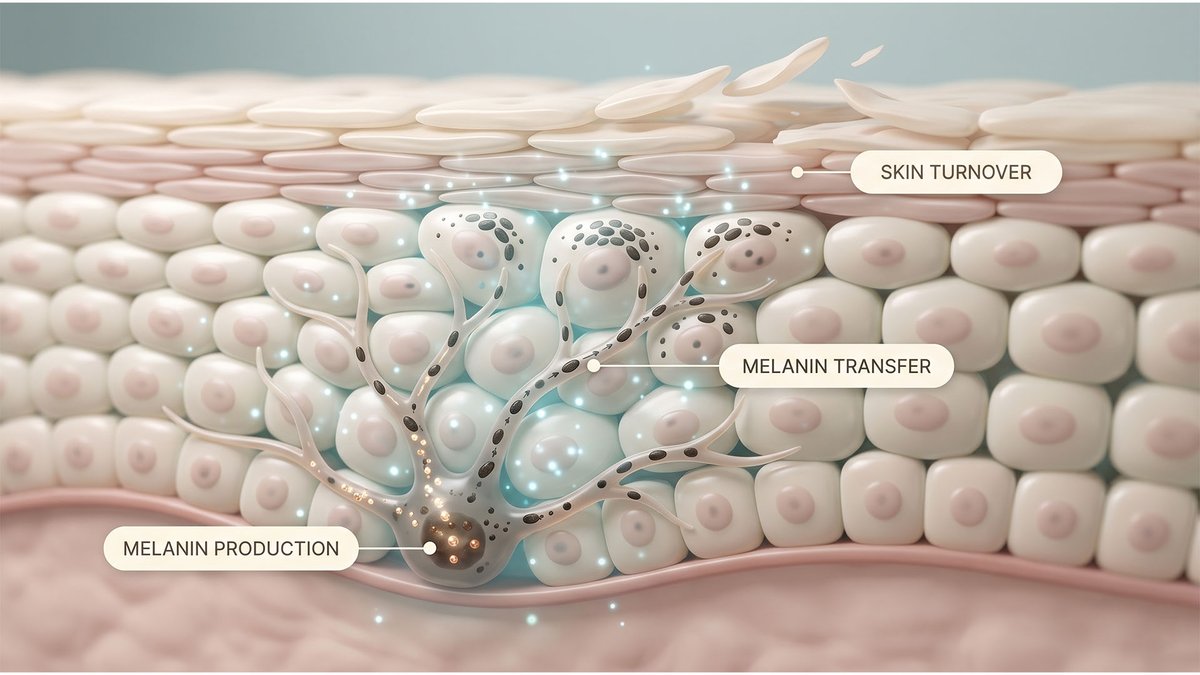
Every summer in Australia leaves a trace. For many people, that trace is melasma: patches of deeper pigmentation on the cheeks, upper lip, forehead, or jawline that seem to deepen no matter how diligently sunscreen is applied. It sits differently from a freckle or a sun spot. It resists the usual approaches. And it tends to reappear with the kind of consistency that makes clients question whether anything actually works.

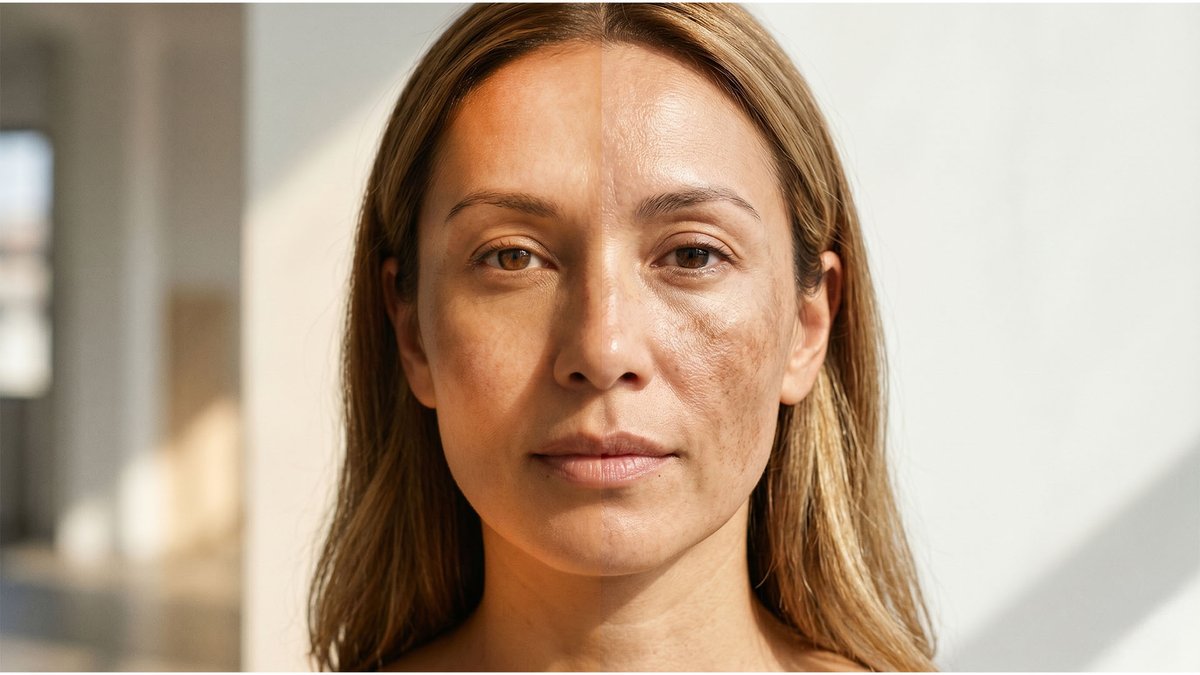
Melasma is a chronic pigmentation condition influenced by UV exposure, heat, hormonal shifts, and inflammation. Melanocytes, the cells responsible for producing pigment, become overactive in certain areas of the skin, producing melanin at a rate and depth that creates the characteristic uneven, mask-like appearance. It is one of the most common presentations in Australian clinics, particularly among clients who have spent summer outdoors.

What makes melasma particularly challenging is not just its depth or persistence. It is the fact that the wrong treatment, at the wrong time, with the wrong ingredient profile, can make it considerably worse. Which is exactly why the season you begin treatment matters as much as what you use.


The Korean Clinical Philosophy on Pigmentation

Korean derma-cosmetic philosophy approaches pigmentation with a fundamentally different lens than much of the Western skincare tradition. Where Western clinical models have historically reached for aggressive single-active interventions, Korean clinical skincare prioritises a layered, multi-pathway approach grounded in skin barrier integrity and sustained, gentle correction.

The reasoning is precise. A compromised skin barrier is a permeable one, and permeability allows UV and environmental triggers to reach the melanocytes sitting deeper in the epidermis more easily. By strengthening the barrier first and addressing pigmentation through complementary ingredient pathways simultaneously, Korean protocols create a stable foundation that makes brightening more effective and far less likely to provoke the rebound pigmentation that aggressive approaches frequently cause.

This philosophy is also deeply seasonal. In Korea, autumn and winter are considered the optimal period for brightening and pigmentation-correcting protocols, partly because reduced sun exposure allows treatments to work without constant counteraction. It is a principle that maps directly onto the Australian climate, where the shift from summer's extreme UV peaks to the gentler light of April and May creates an equivalent and highly valuable treatment window.

https://kbeautyau.com/blog/korean-melasma-treatment-methods-your-2026-guide


How Melasma Behaves in the Skin

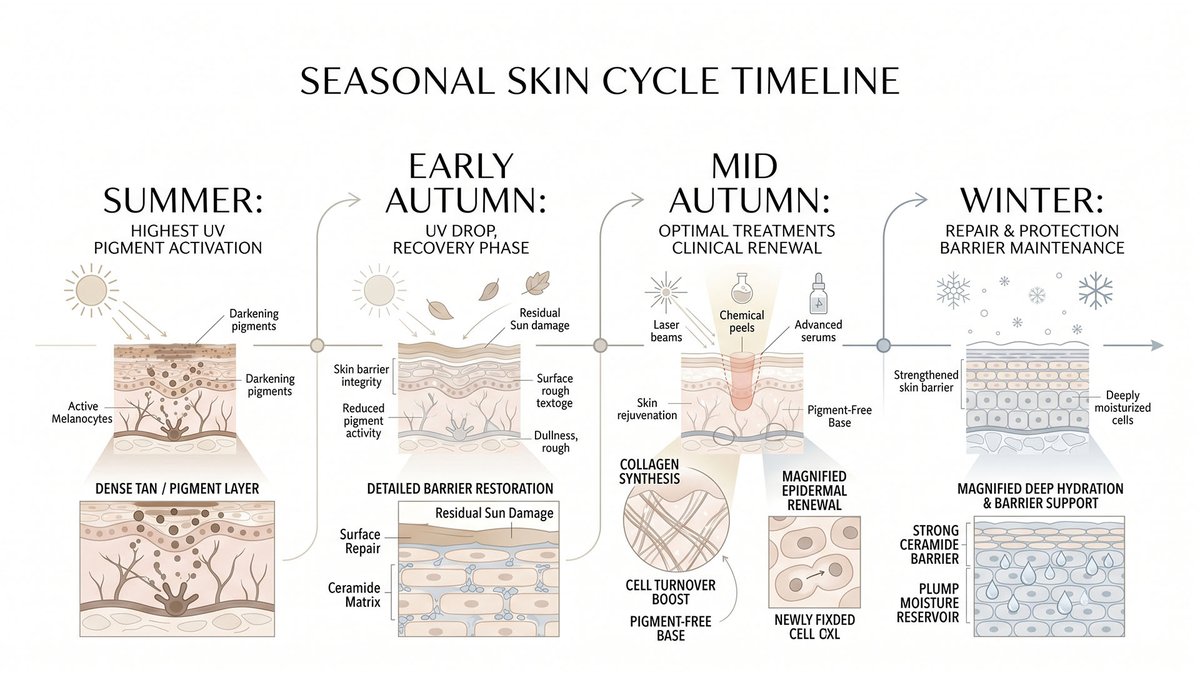
Understanding why autumn produces better results begins with understanding how melasma responds to UV. Solar radiation is the primary trigger for melanocyte activity, and even brief, incidental exposure during active treatment can undermine weeks of clinical progress. During the Australian summer months, UV levels in most states reach extreme indices daily, making it structurally difficult for brightening protocols to outpace ongoing melanin production.

As UV intensity moderates through March into May, that counteractive pressure lifts. The skin is no longer in constant reactive mode. Melanocytes that have been chronically stimulated through summer begin to settle, and the skin's natural renewal processes can begin to work in favour of the treatment rather than against it. This is the biological window that experienced clinicians recognise and plan their treatment calendars around.

Heat is also a significant factor that receives less attention than UV. Thermal stimulation independently triggers melanin production in melasma-prone skin, which is one reason why hot showers, saunas, and even warm climates can exacerbate the condition. Autumn's cooler temperatures reduce this secondary trigger considerably, giving professional treatments a cleaner environment in which to produce visible change.

The Ingredients That Actually Move the Needle

Effective melasma management at the professional level requires ingredients that work across multiple pigmentation pathways simultaneously: moderating melanin production at its source, interrupting its transfer to the skin surface, neutralising the oxidative triggers that sustain melanocyte activity, and reinforcing barrier function throughout. Single-ingredient approaches rarely hold. Layered, complementary formulations do.

Tranexamic acid has become one of the most respected brightening actives in Korean clinical skincare precisely because it works upstream. It targets the communication pathway between keratinocytes and melanocytes, reducing the signals that prompt melanin overproduction in the first place. Unlike some brightening actives that work on pigment already visible at the surface, tranexamic acid addresses the mechanism driving new melanin synthesis, making it particularly well suited to the chronic, recurring nature of melasma.

Glutathione works through a different but complementary pathway. As one of the skin's most powerful antioxidants, it helps interrupt the oxidative environment that sustains melanocyte overactivity, while also shifting melanin synthesis toward lighter-toned pigment variants. Its inclusion in a brightening formula alongside tranexamic acid creates a dual-action approach that addresses both the trigger and the process of pigmentation.

Niacinamide contributes a third layer of action by inhibiting the transfer of melanin from melanocytes to the surface skin cells, helping to improve the appearance of existing uneven tone while the other actives work on preventing new pigmentation. At 10%, it also supports barrier function and helps calm the appearance of redness, making it a cohesive ingredient within a formula designed for sensitive, melasma-prone skin.
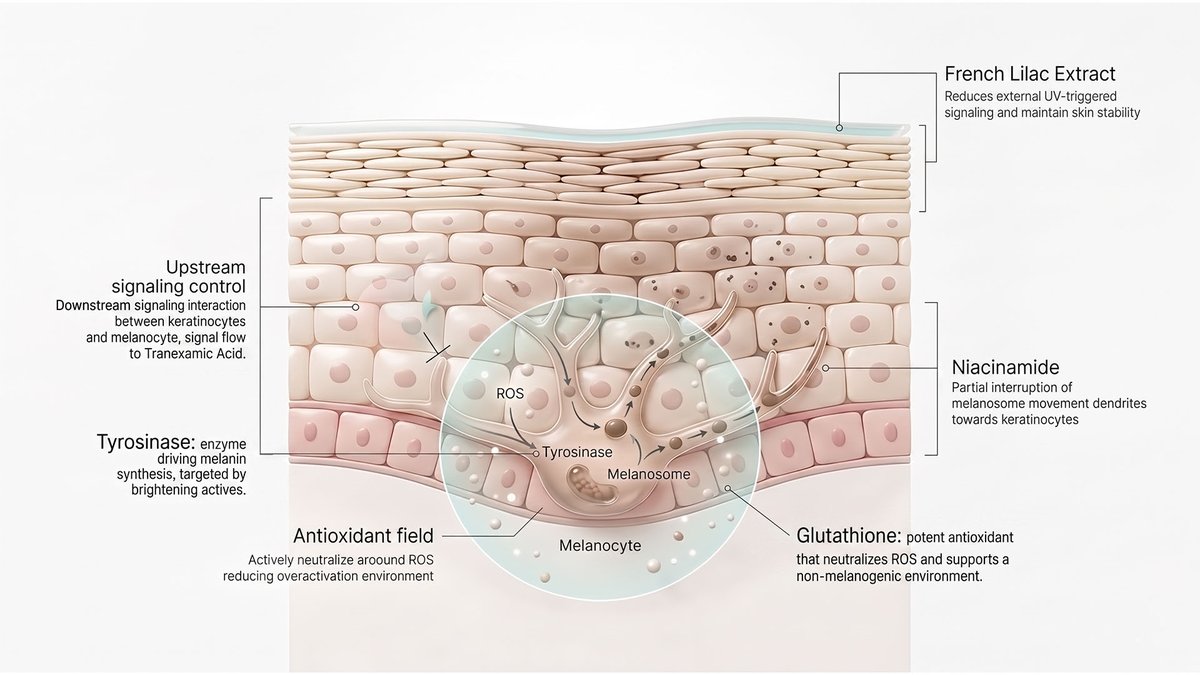
CUSKIN's patented French Lilac Extract (Galega Officinalis) brings a fourth and proprietary dimension to this approach. Developed and patented by CUSKIN's dermatologist research team, it provides an additional antioxidant and brightening effect while supporting the skin's natural defences against UV-triggered pigment production. Its inclusion reflects the Korean formulation philosophy of combining evidence-backed actives with carefully researched botanical science.

These four ingredients together form the core of CUSKIN's Mela W Corrector, a targeted brightening cream developed specifically for dark spots, post-acne marks, and melasma-type pigmentation. It is lightweight, non-sensitising, and formulated to work without disrupting the skin's barrier, which is the critical quality distinction for treating a condition as reactive as melasma.

CUSKIN

Mela W Corrector 20ml

$50.00 AUD

Shop →

Who Is This Best For?

Autumn melasma protocols are most effective for clients who have experienced visible deepening of pigmentation over summer and are entering the cooler months with stable, non-inflamed skin. This is an extremely common presentation in Australian clinics. These are clients who maintained consistent sun protection through summer but still notice increased patchiness as the season ends, a sign that cumulative UV and heat exposure has pushed melanocyte activity beyond what SPF alone can contain.

Clients with hormonal melasma, including those whose pigmentation is linked to oral contraception, pregnancy, or ongoing hormonal fluctuation, also benefit significantly from the autumn treatment window. Their melanocytes carry a baseline sensitivity that UV and heat compounds considerably. Removing those environmental pressures allows professional protocols to work with greater precision and consistency.

Post-inflammatory hyperpigmentation that has been exacerbated by summer sun is another strong candidate. While technically distinct from melasma, the two concerns frequently coexist in Australian skin, and the multi-pathway brightening approach that addresses melasma is equally effective for post-inflammatory marks, making it a versatile protocol for a wide section of the clinical client base.

For clinic owners, the autumn cohort also includes clients who have undergone laser, IPL, or chemical procedures earlier in the year and are seeking professional-grade topical support to protect and extend their investment. These clients are motivated, already committed to professional skincare, and ideally positioned to benefit from a structured between-treatment maintenance protocol.


Common Mistakes When Treating Melasma

The most consequential error in melasma management is treating it with the same urgency and ingredient intensity that works for other pigmentation concerns. High-strength actives and aggressive formulations that produce rapid results on sun spots can provoke post-inflammatory hyperpigmentation in melasma-prone skin, leaving clients visibly worse than when they started. The Korean clinical approach deliberately prioritises measured, layered correction over speed, because with melasma, speed is rarely the friend it appears to be.

A second and very common mistake is reducing sun protection once a treatment protocol begins to show visible progress. Melasma is not resolved by topical brightening alone. It requires ongoing, non-negotiable UV management as a foundational element of any protocol. In a clinic context, this means building SPF education into every appointment, particularly in autumn and winter when clients instinctively feel the lower UV intensity means protection matters less. It does not. Melanocytes remain responsive to UV year-round.

For clinics, a third mistake is failing to connect the in-clinic treatment calendar with a professional topical protocol designed to support results between appointments. Brightening procedures performed without a structured between-treatment maintenance routine are considerably less effective. Clients who leave the clinic with a daily protocol that mirrors the ingredient philosophy of their in-clinic treatment hold results longer, return more consistently, and represent a meaningful and sustainable retail revenue stream for the practice.


By Skin Concern

Ageing. Melasma and age-related pigmentation frequently coexist in clients over 35, and this overlap creates a genuine clinical opportunity. The CUSKIN Vitamin U Serum, formulated with CUSKIN's patented Methyl Methionine (Vitamin U), six peptide complexes, and Type 3 Collagen, supports firmer-looking skin and improved elasticity while brightening actives address uneven tone simultaneously. Clients managing both concerns benefit from a protocol that speaks to each without requiring competing treatment approaches.

Sensitive and Reactive. Melasma-prone skin and sensitivity frequently go hand in hand, particularly where the barrier has been stressed by years of Australian UV exposure. Formulations built around tranexamic acid, glutathione, and niacinamide offer targeted brightening without the disruption that stronger actives introduce, making them compatible with clients who have reacted poorly to more aggressive brightening approaches in the past.

Post-Treatment Recovery. Clients recovering from laser, IPL, or peels enter a period of heightened photosensitivity that makes autumn ideal for follow-up topical support. Professional Korean brightening formulations help maintain results and support the skin's natural recovery process during this window, preventing the rebound pigmentation that can follow intensive procedures when topical care is left unaddressed.

Dull and Fatigued. End-of-summer skin often presents as tired, uneven, and lacking clarity, even in clients without a formal melasma diagnosis. Sodium Ascorbyl Phosphate, the stable and non-irritating Vitamin C form in CUSKIN's Vitamin C+ Serum, helps improve the appearance of dull, uneven skin tone and supports antioxidant defence in skin that has been subjected to months of UV and environmental stress.


In the Clinic and Beyond

For clinicians performing brightening facials, mesotherapy, or LED-supported pigmentation treatments, the post-summer window is one of the most productive treatment blocks of the calendar year. Client motivation is high, UV counteraction is low, and results typically become visible within a shorter cycle than treatments attempted during the summer months. Booking clients into a structured series of three to six appointments across April, May, and June creates a treatment arc with measurable, visible outcomes that build confidence and loyalty.

The results achieved during this clinical window are best protected by a professional-grade topical protocol maintained consistently between appointments. Korean derma-cosmetic formulations that combine multi-pathway brightening actives with barrier-supportive ingredients are particularly effective in this supporting role, because they address melanocyte activity systemically rather than through isolated surface-level hits. Professional Korean skincare such as CUSKIN, used in clinic protocols across Australia, offers formulations designed to work in concert with in-clinic procedures rather than independently of them.

Clinics that present a coordinated approach, combining a structured treatment plan with a retail protocol designed to extend and protect results, consistently see stronger client retention and higher average spend per visit. The autumn melasma client is not a one-appointment client. They represent a long-term relationship that begins with results and deepens with consistency.

https://kbeautyau.com/blog/bloom-skin-treatment-korean-facial


Why Clinics Prefer Autumn for Melasma Treatment

Skin therapists and clinic owners who specialise in pigmentation understand that treatment timing is as strategic as ingredient selection. Autumn is preferred not simply because results are better, though they are. It is preferred because the entire client experience improves: fewer setbacks from incidental UV exposure, more visible progress between appointments, and a treatment arc that builds momentum rather than constantly fighting against seasonal conditions.

From a clinic business perspective, the autumn melasma season creates a natural opportunity to engage a significant portion of the client base at the same time. Post-summer pigmentation is an almost universal concern in Australian clinics, and proactively communicating this treatment window, with a clear protocol and a professional retail offering, positions the clinic as expert, seasonal, and deeply attuned to the specific challenges of Australian skin.

K-Beauty tips in your inbox

Get personalised skincare advice

Join 500+ Australians who get weekly K-beauty routines and product picks.

Take the Skin Quiz →

CUSKIN

Dr.Solution Niacin 10% Vitamin C Ampoule 50ml

$48.00 AUD

Shop →

The Bottom Line

Melasma is a condition that demands patience, precision, and a genuine respect for skin biology. The ingredients that address it most effectively within a cosmetic framework, including tranexamic acid, glutathione, niacinamide, and stabilised Vitamin C, are not fast-acting in isolation. They work over time, across multiple pigmentation pathways, within a structured protocol supported by consistent UV protection and a stable, healthy barrier. Autumn removes the seasonal obstacles that prevent this process from gaining traction, making it the most intelligent time of year to begin.

For clinic owners and skin therapists, the autumn melasma window is one of the strongest clinical and commercial opportunities of the year. Clients arrive motivated, results arrive faster, and a well-structured treatment plan supported by a professional retail protocol builds a client relationship that extends well beyond the season. CUSKIN's Korean-developed formulations, grounded in patented ingredients and dermatological research, give clinics the ingredient credibility and product confidence to deliver this protocol with authority.

Korean skincare has always understood that skin is seasonal. That the conditions driving a concern in February are not the same conditions present in April. And that the most effective approach to any chronic skin concern is one that works with the skin's natural rhythms rather than against them. Autumn in Australia is not a quiet season for the skin. It is the season when real, measurable, lasting improvement becomes genuinely possible.

Shop the CUSKIN brightening range at kbeautyau.com and give your skin the support it deserves this autumn.

Exclusive CUSKIN Distributor

Shop CUSKIN Australia

Korean derma-cosmetics shipped from Melbourne

Browse Products →
B

Written by

Beauty Editor

I’m a clinical aesthetic consultant with a deep focus on Korean skincare formulation and treatment protocols. My approach is rooted in barrier-first skin health, where ingredient synergy and long-term skin resilience matter more than quick fixes. Through this platform, I share insights drawn from clinic-based skincare, translating complex K-beauty principles into routines that are both effective and sustainable. My goal is to help you understand not just what to use, but why it works so you can make more confident, informed decisions about your skin.

Comments

Loading comments…

Leave a comment

Share this post

Free · 2 minutes

What does your skin need?

Get a personalised K-beauty routine sent to your inbox.

Take the free quiz →