Korean Melasma Treatment Methods: Your Complete 2026 Guide
Melasma those stubborn patches of brown or grey-brown pigmentation that tend to appear on the cheeks, forehead, and upper lip can be challenging to treat, but consistent multi-step approaches often deliver visible improvement over time. If you've tried countless products with limited results, you're not alone. But here's the good news: Korean melasma treatment methods have gained serious global attention for their multi-layered, skin-barrier-respecting approach to fading pigmentation using our unique clinical protocols and patented cosmeceuticals. Let's break down exactly how.
A note before you start: Melasma is a medical condition, and other pigmentation disorders such as post-inflammatory hyperpigmentation and sun damage can look similar. If you suspect melasma, consult a dermatologist for a proper diagnosis before starting treatment, as different pigmentation conditions require different approaches.
What Makes Korean Melasma Treatment Methods Different?
Western dermatology has long focused on high-strength single actives; prescription like hydroquinone or aggressive laser treatments. Korean skincare philosophy takes a different route. The K-beauty approach to melasma typically involves:
- Layering complementary brightening actives at lower, skin-friendly concentrations
- Prioritising barrier repair so skin can actually respond to treatment
- Consistent, daily SPF use as a non-negotiable step
- Long-term, gentle correction rather than quick-fix, high-irritation solutions
This philosophy makes Korean melasma treatment methods particularly well-suited to sensitive skin types and those who've experienced irritation from more aggressive Western protocols.
Step 1: Understand Your Triggers
Begins with a comprehensive Synergy Effect Analysis. Any treatments should not just look at the spots; full condition and skin analysis is a MUST:
- Skin Trouble & Type: Identifying the specific nature of the pigmentation.
- Living Environment: Understanding daily habits that might trigger melanin.
- Physical Factors: Analyzing how stress, food, and your physical condition affect your skin health.
It's worth noting that hormonal melasma often linked to pregnancy, contraceptives, or hormonal changes may require additional strategies beyond topical skincare, and is worth discussing with your doctor or dermatologist.
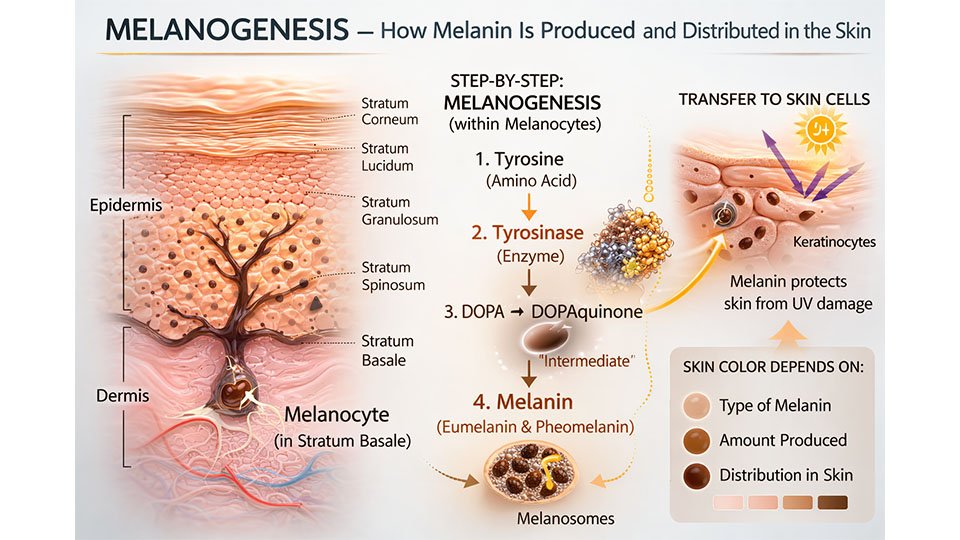
Step 2: Supporting the Skin’s Brightening System
A hallmark of the Korean approach to a uniform complexion is the strategic layering of actives. Rather than relying on a single "hero" ingredient, the goal is to support the skin at multiple stages of the pigment cycle.
The Protective Shield: Stabilised Vitamin C
Vitamin C remains a gold standard for supporting skin luminosity. Its primary role is twofold: it helps maintain a more even skin tone while providing essential antioxidant protection against environmental stressors free radical damage that is often a silent trigger for uneven pigmentation.
Historically, the challenge with Vitamin C has been stability; many traditional formulas oxidise quickly, losing their efficacy before they even hit the skin. Korean cosmeceutical have pivoted toward advanced Vitamin C derivatives. These innovative forms are engineered for superior stability and are better tolerated by sensitive skin types than traditional high-concentration L-ascorbic acid, making them ideal for long-term aesthetic maintenance.
The Precision Approach: Targeted Correctors
For areas requiring more focused attention, the Korean "precision principle" involves applying concentrated correctors directly to specific zones. This targeted layering amplifies the results of your base routine without overwhelming the entire skin barrier a method highly favoured in professional skin spas for its efficiency and skin-first focus. Ingredients like Glutathione, a powerful antioxidant often used in medical settings, to help maintain an initial balance and inhibit the early stages of darkening.
The Interceptor: Niacinamide (Vitamin B3)
Niacinamide operates as a sophisticated interceptor. Unlike agents that focus solely on the initial production of pigment, Niacinamide works further down the line. It helps block the transfer of melanin from the melanocytes (where pigment is produced) to the keratinocytes (the cells that migrate to the skin's surface).
