← All postsSensitive

Korean Dermatologist Approach to Post-Procedure Skin Care

B

Written by

Beauty Editor

The 72 hours after a skin procedure are the most important in your entire treatment cycle and they're also the period most people handle incorrectly. Korean dermatology has a clear, methodical protocol for post-procedure recovery built on barrier protection first and stimulation never. This article explains exactly what that looks like, and why it produces better long-term results.

6 April 2026·12 min read·
Korean Dermatologist Approach to Post-Procedure Skin Care

Not sure your skin type? Take our free 2-minute quiz.

Start quiz →

Korean Dermatologist Post-Procedure Skin Care Guide

The 72 hours after a skin procedure are the most important in your entire treatment cycle and they're also the period most people handle incorrectly. Korean dermatology has a clear, methodical protocol for post-procedure recovery built on barrier protection first and stimulation never. This article explains exactly what that looks like, and why it produces better long-term results.


What Is the Korean Dermatologist Approach to Post-Procedure Skin Care?

Walk out of any laser session, chemical peel, or microneedling appointment and your skin is in a state it has rarely been in before. The surface is disrupted, the barrier is compromised, and the skin's natural recovery processes are fully underway. What you do in the hours and days that follow will either support that process or complicate it.

The Korean dermatologist approach to post-procedure skin care begins from a single, governing premise: calm the skin completely before asking anything of it. This is not simply a matter of being gentle. It is a structured, phase-based methodology built on decades of clinical dermatology research and a K-beauty philosophy that treats recovery as its own form of treatment. Rather than rushing to restore a full active routine, Korean practitioners establish a deliberate calming window, using a precise set of barrier-supportive ingredients to give the skin the environment it needs to recover fully and hold onto the results of the procedure itself.

Across Australia, clinics and skin practices are increasingly adopting this framework, recognising that what a client applies between sessions matters as much as what happens inside the treatment room.


How the Skin Responds After a Procedure

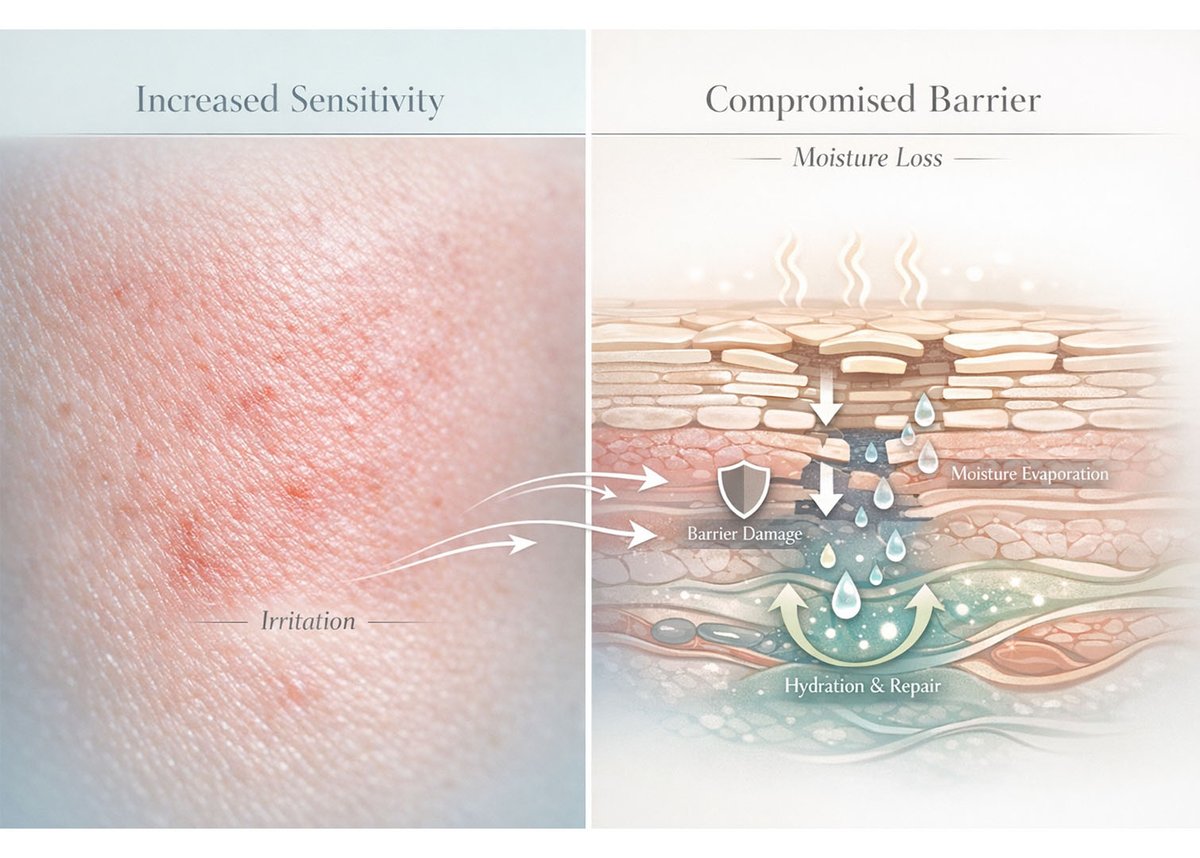
Any significant in-clinic treatment involves a deliberate disruption to the skin's surface. Laser resurfacing, medium-depth peels, and microneedling all work by initiating a controlled response in the skin, which then drives the renewal and rejuvenation that make these procedures worthwhile. That disruption, however, also temporarily compromises the stratum corneum, the outermost layer of the skin responsible for regulating moisture loss and maintaining the barrier between the body and its environment.

In the immediate aftermath of a procedure, transepidermal water loss increases significantly. The lipid matrix of the stratum corneum, which is composed primarily of ceramides alongside cholesterol and free fatty acids, is transiently disturbed. The skin becomes acutely sensitive to fragrance, alcohol, and even mild actives that would ordinarily be well tolerated. Visible redness reflects increased microvascular activity as the skin mobilises its natural recovery response.

Understanding this physiology explains why the Korean approach is so clinically sound. Ceramide-containing formulations, gentle humectants, and anti-redness botanical ingredients are not simply comforting choices for sensitive skin. They are ingredients selected because they align with what the skin is biologically doing during recovery. Supporting the lipid matrix, maintaining hydration, and helping calm the appearance of redness are precisely the functions the skin needs most during this window.
---

Key Ingredients for Post-Procedure Barrier Support

Post-procedure formulation is not about variety. It is about precision. The most effective recovery protocols use a small number of well-understood ingredients, each chosen because its function maps directly onto a stage of the recovery process.

Ceramides are foundational. Forming approximately half of the stratum corneum's lipid matrix, they are the structural component most directly affected by any procedure that disrupts the skin's surface. Ceramide-containing formulations used during recovery help support skin barrier function during the period when the barrier is most in need of reinforcement.

Panthenol, or Vitamin B5, is a consistent presence in Korean post-procedure formulations for good reason. As a humectant, it supports the skin's ability to retain moisture. It also promotes healthier-looking skin by helping the surface stay supple and comfortable during the recovery period, which is particularly relevant in the dry and variable climate conditions found across much of Australia.

Centella Asiatica, one of the most studied ingredients in Korean clinical skincare, contains madecassoside and asiaticoside, compounds that help calm the appearance of redness and support the skin's natural recovery processes without causing further disruption. It is appropriate from the earliest stages of post-procedure care and compatible with even the most sensitised skin profiles.

Multi-weight hyaluronic acid provides layered hydration across different depths of the skin's surface without the heaviness that can feel uncomfortable on recently treated skin. Guaiazulene, a deep blue compound derived from chamomile, helps calm the appearance of redness and is particularly well suited to the mid-recovery phase when residual sensitivity lingers after visible redness has settled.

PDRN, or polydeoxyribonucleotide, is a biocompatible compound that supports the skin's natural renewal processes. In a post-procedure context, it offers skin-supportive benefits that make it a considered choice for the point at which recovery transitions into rejuvenation. Paired with bakuchiol, a plant-derived ingredient that supports firmer-looking skin without the irritation profile associated with retinoid alternatives, it provides a bridge between the calming window and the active-support phase that follows.
CUSKIN

Ex-C Regeneration Cream 30g

$46.00 AUD

Shop →

Who Is This Protocol Best For?

The Korean post-procedure skin care approach is relevant for any client who undergoes an in-clinic procedure, but it delivers the most meaningful benefit for specific skin profiles.

Clients with a history of post-inflammatory hyperpigmentation will find this approach particularly protective. Because the calming window minimises the introduction of potentially irritating ingredients and enforces diligent UV protection, it directly addresses two of the most common triggers for pigmentation complications following laser or peel treatments. For skin with higher melanin activity, this restraint is not caution for caution's sake. It is clinical precision.

Clients with a sensitised or reactive baseline, including those with rosacea-prone or compromised barrier skin, benefit from the low-irritant formulation philosophy built into the Korean recovery model. The emphasis on fragrance-free, ceramide-rich products reduces the likelihood of a compounding reactivity response on skin that was already working hard before the procedure began.

Clients undergoing a series of treatments, such as multiple laser sessions or a microneedling course, need a between-treatment maintenance protocol that keeps the barrier stable across the entire treatment period. A consistent, barrier-supportive routine used between sessions reduces cumulative sensitisation and ensures that each subsequent appointment begins from a strong, receptive baseline.

Clients who are new to professional treatments and who may have an existing routine built around strong actives will also benefit from the structure this approach provides. The phased protocol gives them a clear framework for when to step back, when to reintroduce, and how to read their skin's signals throughout recovery.

https://www.kbeautyau.com/blog/korean-glass-skin-vs-barrier-repair-facial-which-do-you-need


Common Mistakes in Post-Procedure Skin Care

The most frequent error made after an in-clinic procedure is reintroducing an active routine before the barrier is genuinely ready. Visible redness settling within a few days can create the impression that recovery is complete, but the lipid matrix of the stratum corneum often remains transiently disrupted well beyond this point. Reintroducing vitamin C serums, mild exfoliants, or niacinamide at high concentrations before the barrier has fully stabilised risks triggering sensitivity responses that would not have occurred had the calming window been respected in full.

A second mistake is inconsistent SPF application during the recovery period. Freshly treated skin is significantly more vulnerable to UV-induced pigmentation changes, and Australia's high UV index compounds this risk considerably. Many clients apply SPF in the morning but do not reapply throughout the day, or skip it entirely on overcast days and when working indoors, where UVA penetrates glass. In a post-procedure context, this inconsistency can compromise the results of the procedure in ways that no topical formulation can subsequently address.

Clinics sometimes make the mistake of recommending recovery products based on texture and comfort alone, without scrutinising the full ingredient list. A moisturiser that feels calming on the surface may contain fragrance compounds, essential oils, or preservative systems that extend the period of reactivity on a recently treated barrier. Post-procedure formulations should be assessed for what they do not contain as carefully as for what they do. The most effective recovery products are those that support barrier function with a minimal, well-tolerated ingredient load.

K-Beauty tips in your inbox

Get personalised skincare advice

Join 500+ Australians who get weekly K-beauty routines and product picks.

Take the Skin Quiz →

CUSKIN

Dr. Solution Guaiazulene Serum 30ml

$46.00 AUD

Shop →

By Skin Concern

Ageing. For clients investing in procedures to support firmer-looking skin and improve the appearance of fine lines, the recovery window is as important as the treatment itself. Ceramide-rich formulations used during this period help maintain the structural integrity of the skin's surface while it recovers, and PDRN supports the skin's natural renewal processes in a way that complements rather than competes with the procedure's objectives. Consistent SPF application protects these gains from UV-induced deterioration.

Sensitive and Reactive. Clients with sensitive or reactive skin require the most restrained post-procedure protocol. Centella Asiatica, panthenol, and multi-weight hyaluronic acid deliver meaningful support with a low likelihood of triggering further reactivity. Guaiazulene, used in select CUSKIN formulations, helps calm the appearance of redness in a manner that is compatible with even the most reactive skin profiles and can be comfortably used from the mid-point of recovery onward.

Post-Treatment Recovery. For clients managing a series of in-clinic treatments, the period between sessions is a clinical phase in its own right. A consistent barrier-supportive protocol used during this time keeps the skin stable and receptive, reducing the accumulation of sensitisation that can occur when the barrier is repeatedly challenged without adequate support. CUSKIN formulations developed for clinical settings are designed with this continuity of care in mind.

Dull and Fatigued. Post-procedure skin can look flat and lack luminosity in the days following treatment, even as redness resolves. Deep hydration from multi-weight hyaluronic acid addresses the dehydration that accompanies transepidermal water loss, restoring a more comfortable and healthier-looking complexion. Stabilised vitamin C, introduced carefully once the calming window has passed, provides gentle brightening support as the skin enters its active recovery phase.


In the Clinic and Beyond

In professional settings, Korean-informed practitioners have come to treat post-procedure protocols as an extension of the treatment itself. The decisions made about what a client uses in the 14 days following a procedure have a direct bearing on their recovery experience, their comfort, and the longevity of the result they came in for. Clinics that take an active role in structuring this period, rather than leaving clients to navigate it with a generic instruction sheet, report better outcomes and significantly stronger client relationships.

For skin practices, the opportunity here is both clinical and commercial. Professional-grade topical formulations used as part of a structured recovery protocol allow clinics to extend their standard of care into the client's daily routine. When clients use products that were selected and recommended by their practitioner, and that they associate with the expertise of the clinic, they are more likely to follow the protocol consistently. That consistency is what transforms a good post-procedure result into an exceptional one.

Products that help calm the appearance of redness, support skin barrier function, and provide layered hydration translate naturally from the clinic environment into a client's personal skincare protocol, maintaining the clinical standard of care that began in the treatment room. For clinics building a cohesive post-procedure offering, this continuity is a meaningful point of differentiation.


Why Clinics Prefer the Korean Post-Procedure Approach

Aesthetic practices and skin clinics that adopt a structured post-procedure protocol consistently identify one primary outcome: client trust. When clients are given a clear, phase-based recovery framework, with an explanation of why each step exists and what each ingredient is doing, they engage with their recovery more seriously and more consistently. That engagement has a measurable effect on results, and on the likelihood that those clients will return for subsequent treatments.

The ingredient profile of Korean post-procedure formulations also makes them straightforward to recommend across a broad client base. Low irritant risk, fragrance-free formulation, and compatibility with a wide range of in-clinic procedures mean that clinics can recommend the same core recovery products to laser clients, peel clients, and microneedling clients without the clinical segmentation required by more aggressive actives. This simplicity translates into stronger retail confidence and more consistent client compliance.

From a practice-building perspective, post-procedure products occupy one of the most natural retail moments a clinic has. The client already understands the need, the context has been established by the treatment itself, and the recommendation carries the full weight of clinical authority.

The Korean approach to post-procedure care is, ultimately, a philosophy of restraint applied with clinical precision. For practices looking to position themselves at the quality end of the Australian skincare and aesthetics market, adopting this framework is both a clinical decision and a statement about the standard of care their clients can expect.


The Takeaway

What makes the Korean dermatologist approach to post-procedure skin care genuinely different is not the products involved or the specific ingredients prescribed. It is the underlying principle that the recovery window is a distinct clinical phase with its own objectives, and that meeting those objectives requires a different set of priorities to everyday skincare. By treating barrier support, layered hydration, and UV protection as the primary goals during this window, the Korean approach creates the conditions for the skin to complete its natural recovery processes without interference, and to hold onto the results of the procedure for longer.

For clinics and skin practices, this framework offers something equally valuable: a structured, evidence-informed protocol that can be communicated clearly to clients, supported by a carefully selected product range, and woven into the practice's standard of care. Clients who recover well trust their practitioners more deeply. They return for subsequent treatments with confidence, and they refer others because their experience, from the moment they left the clinic to the moment their results were fully visible, was consistently well managed.

Post-procedure care is perhaps the clearest expression of that philosophy. When the skin is given precisely what it needs, and nothing it does not, it responds in kind.

Exclusive CUSKIN Distributor

Shop CUSKIN Australia

Korean derma-cosmetics shipped from Melbourne

Browse Products →
B

Written by

Beauty Editor

I’m a clinical aesthetic consultant with a deep focus on Korean skincare formulation and treatment protocols. My approach is rooted in barrier-first skin health, where ingredient synergy and long-term skin resilience matter more than quick fixes. Through this platform, I share insights drawn from clinic-based skincare, translating complex K-beauty principles into routines that are both effective and sustainable. My goal is to help you understand not just what to use, but why it works so you can make more confident, informed decisions about your skin.

Comments

Loading comments…

Leave a comment

Share this post

Free · 2 minutes

What does your skin need?

Get a personalised K-beauty routine sent to your inbox.

Take the free quiz →