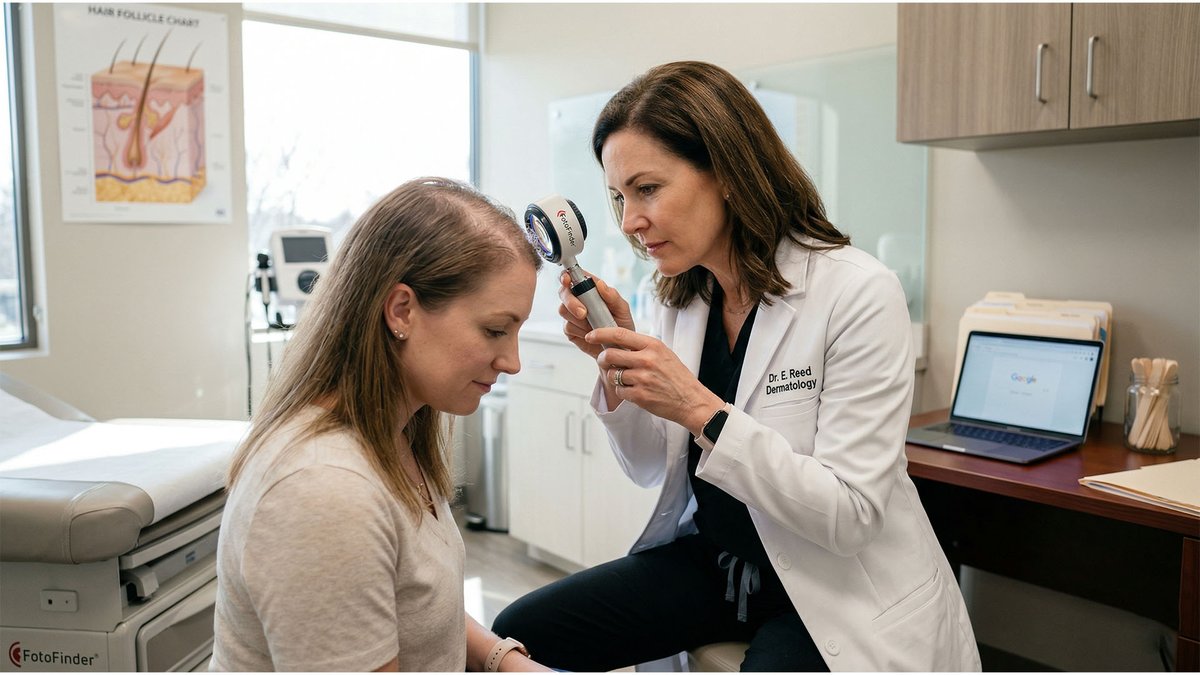
Hair Loss Injections: What the Evidence Actually Says

J

Written by

JJ Cosmetic

Australian clinics offer hair loss injections with considerable confidence. The clinical evidence tells a more careful story. This article does something most clinic brochures don't it looks honestly at what the research actually shows, what remains genuinely unresolved, and what that means for anyone deciding whether to invest in a course of treatment.

19 April 2026·12 min read·
Hair Loss Injections: What the Evidence Actually Says

Not sure your skin type? Take our free 2-minute quiz.

Start quiz →

Hair Loss Injections: What the Evidence Actually Says

Australian clinics offer hair loss injections with considerable confidence. The clinical evidence tells a more careful story. This article does something most clinic brochures don't it looks honestly at what the research actually shows, what remains genuinely unresolved, and what that means for anyone deciding whether to invest in a course of treatment.


What Are Growth Factor Hair Loss Injections?

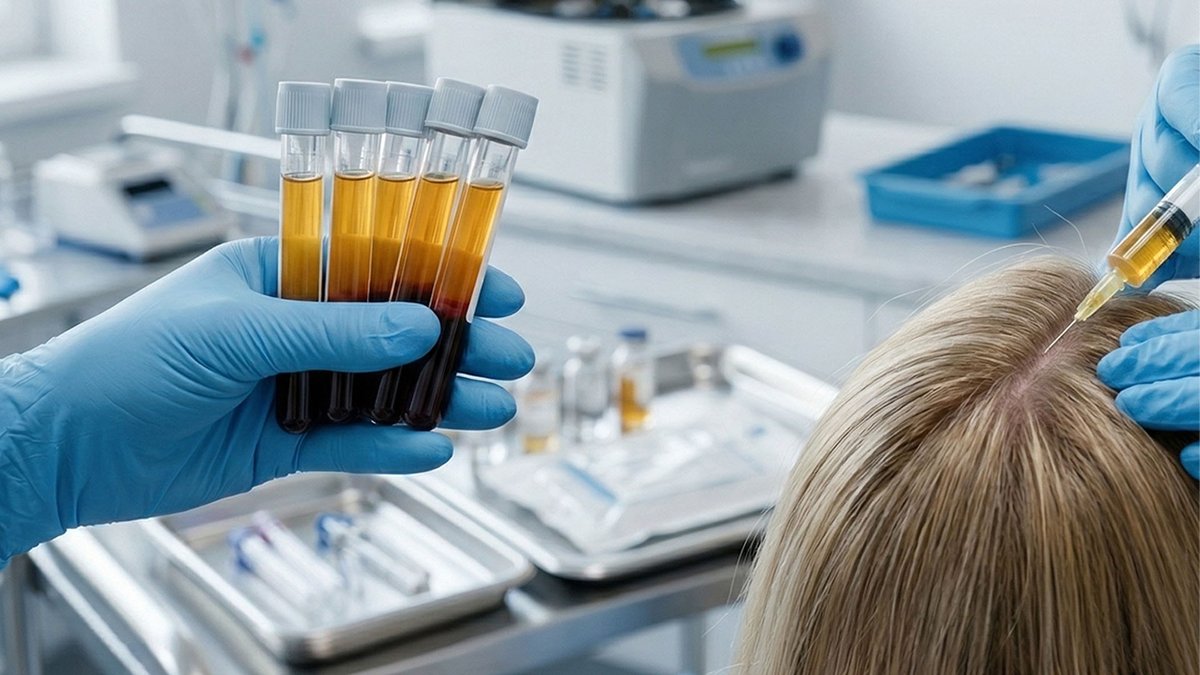
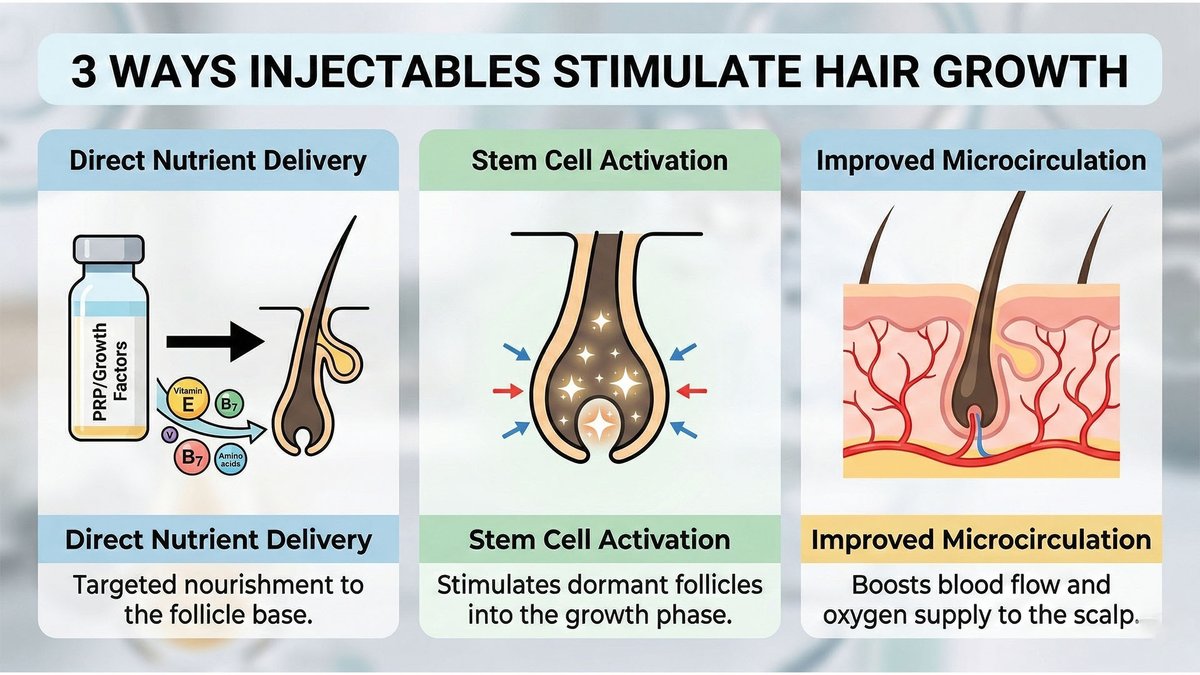
The two most common forms of growth factor injection used in hair loss clinics are PRP (Platelet-Rich Plasma) and PRF (Platelet-Rich Fibrin). Both are autologous treatments, meaning they are derived from the patient's own blood, and both are built around the same underlying biological rationale: that concentrating and reinjecting growth factors into the scalp may support the follicular environment and slow the progression of hair thinning.

In both cases, a small volume of blood is drawn, placed into a centrifuge, and processed to isolate a fraction concentrated in platelets. Those platelets release growth factors including PDGF, VEGF, FGF, IGF-1, and TGF-beta that may theoretically signal hair follicle stem cells. In laboratory settings, these signals are measurable and the cellular activity is well documented. The meaningful distinction between PRP and PRF lies in how each is prepared, what that preparation produces biologically, and whether one holds a clinical advantage over the other in real patients. That comparison is explored in full in the companion article linked above. What this article addresses is the harder and more immediately useful question: regardless of which variant a clinic is offering, what does the clinical evidence actually support?


What Does the Clinical Evidence Actually Show?

This is where an honest account has to diverge from most of what is published in clinic marketing materials.

The peer-reviewed evidence for both PRP and PRF in hair loss is limited and inconsistent. A systematic review by Greco et al., published in Dermatologic Surgery in 2021, concluded that while results have been described as promising in some smaller studies, the body of evidence remains insufficient to support confident clinical recommendations for either treatment. An earlier meta-analysis by Sclafani and Sclafani, published in Facial Plastic Surgery Clinics of North America in 2013, reached broadly similar conclusions about the quality and consistency of the available data.

The methodological problems in the existing literature are significant. Most human trials involve between 20 and 50 participants, which is far too small a sample to draw generalisable conclusions. Many studies lack proper control groups or blinding, meaning it is difficult to separate genuine treatment effects from placebo responses. Reported outcomes vary considerably across studies: some suggest modest improvements in hair density and follicle diameter, while others show no meaningful difference compared to saline injections. And critically, no randomised controlled trial has directly compared PRP against PRF in a head-to-head study for hair loss. The widespread clinical claim that PRF is categorically superior to PRP is, at present, not supported by comparative trial data.

The cellular mechanism is theoretically sound. The human clinical evidence, as it currently stands, simply has not caught up.
---

The Standardisation Problem

One of the most underappreciated issues in this field is that there is no agreed-upon protocol for either treatment, and this makes comparing studies, and evaluating clinic offerings, almost impossible.

Two clinics both advertising PRP may be using entirely different preparations. Across published studies, researchers have used centrifugation speeds ranging from 1,000 to 3,500 RPM, platelet concentrations anywhere from 150,000 to over one million platelets per microlitre, injection frequencies ranging from monthly to quarterly, and treatment courses of anywhere between three and six or more sessions. Greco et al. explicitly identified this lack of standardisation as the primary reason the evidence remains inconclusive. Until agreed protocols are established and consistently applied across clinical settings, the "PRP works" or "PRF works" headline is, at best, an incomplete sentence.

This matters for consumers and for clinicians alike. A patient who does not respond to one clinic's PRP protocol cannot assume that PRP as a treatment category has failed for them. They may simply have received a protocol that delivered a different platelet concentration, or a different injection frequency, to the study they read about. The variance is that significant.

JJ Cosmetic

Skin

JJ Cosmetic

Glen Iris, VIC

Signature — SuperJection (Korean high-end Needling)

Visit Clinic →

Does Your Type of Hair Loss Matter?

It does, and this is something the more responsible clinicians in this space will be upfront about.

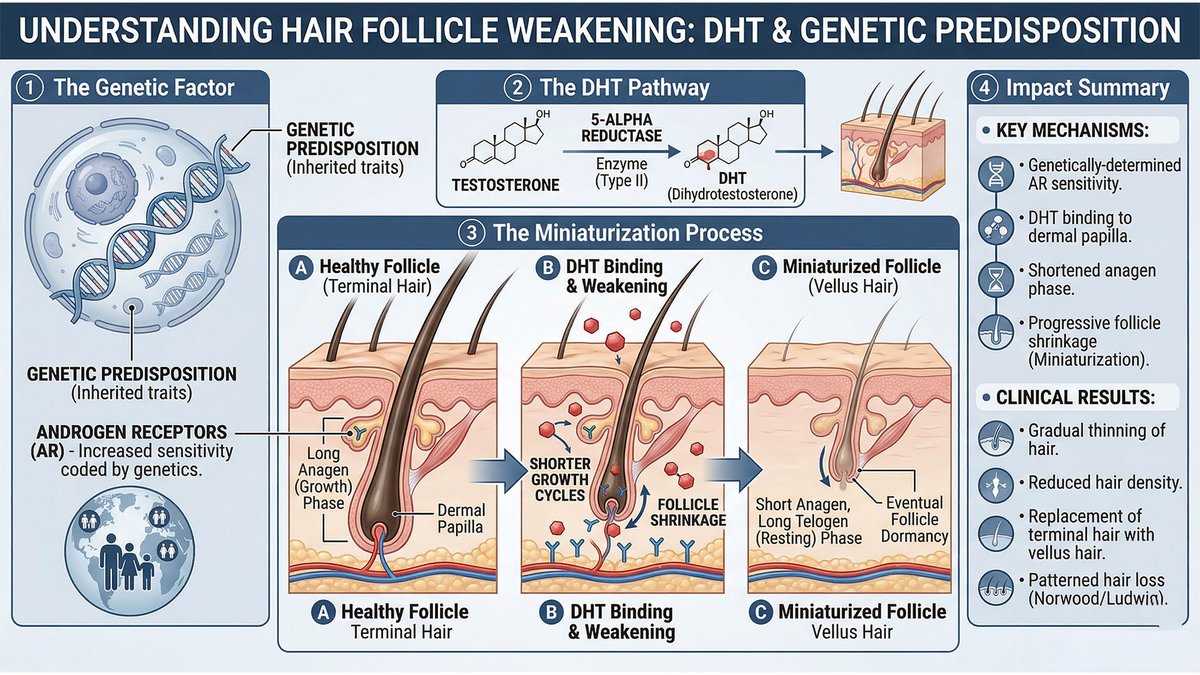
Androgenetic alopecia, the most common form of hair loss in both men and women, is driven by DHT sensitivity in genetically predisposed follicles. Growth factors delivered via PRP or PRF do not address this underlying hormonal and genetic mechanism. Research in peer-reviewed dermatology literature has noted that PRP efficacy appears to vary significantly depending on the type of alopecia being treated, and the stronger signals tend to come from studies on telogen effluvium, the diffuse shedding triggered by physiological stress, and from alopecia areata, an autoimmune condition, rather than from pattern hair loss.

For patients with androgenetic alopecia, PRP or PRF is more accurately described as a potential adjunct to established treatments, rather than a primary intervention. Used alongside finasteride or minoxidil, growth factor therapy may support follicle health in the surrounding environment. Used in isolation, it is unlikely to address the core mechanism driving the loss.

Understanding one's specific hair loss pattern and cause before committing to any treatment is not optional. It is foundational. The article on why women lose hair and what actually works covers the diagnostic landscape in more detail and is a useful starting point for anyone still in the early stages of understanding their own situation.

---

Evidence-Based Alternatives: What's Actually Approved

Before considering PRP or PRF, it is important to understand where these treatments sit within the broader evidence hierarchy for hair loss management in Australia.

Finasteride and minoxidil remain the only treatments with robust clinical evidence and TGA approval for androgenetic alopecia in Australia. Both are backed by decades of randomised controlled trial data and are considered first-line therapies by dermatologists. PRP and PRF, by contrast, occupy a different position: they are experimental adjuncts with a plausible biological rationale, not replacements for approved therapeutics.

This is not a reason to dismiss them. It is a reason to sequence them appropriately. For anyone who has not yet had a conversation with a GP or dermatologist about finasteride or minoxidil, that conversation is a more evidence-based first step than booking a PRP course.


The Role of Daily Scalp Care in a Treatment Protocol

One aspect of hair loss management that tends to be underemphasised in clinic-focused conversations is what happens between sessions. Whether someone is undergoing PRP, PRF, or a course of minoxidil, the scalp environment they are treating into matters. A compromised scalp, one that is inflamed, product-congested, or stripped of its natural barrier function, is not an optimal environment for any intervention to work within.

This is where the choice of scalp cleanser becomes clinically relevant rather than cosmetic. Most standard shampoos are formulated at a pH that is significantly higher than that of a healthy scalp, which sits naturally between 4.5 and 5.5. Alkaline cleansers disrupt the scalp's acid mantle, encourage microbial imbalance, and can compound the low-grade inflammation that many hair loss patients are already dealing with. Silicone-based formulations present a separate problem: because silicone is not water-soluble, residue accumulates at the follicle opening over time, potentially impeding the very environment a treatment is trying to support.

Korean clinical dermatology has long recognised this, which is why scalp-specific cleansers developed in conjunction with dermatology clinics are formulated to a controlled low pH and are built around functional actives rather than fragrance and foam. The CUSKIN Clean-Up Peptino Shampoo, developed in partnership with CU Cleanup Dermatology in Korea, is one such formulation. It is silicon-free, EWG Green-rated, and formulated around caffeine, biotin, and Copper Tripeptide-1. Caffeine has been investigated for its role in supporting the appearance of a healthier hair growth cycle and helping to maintain scalp microcirculation, based on research published in the International Journal of Dermatology. Biotin supports keratin protein synthesis, which underpins hair structure. Copper Tripeptide-1, a peptide complex, supports the scalp's natural follicular environment by providing targeted nutrient delivery to the hair root.

For clinics integrating PRP or PRF into treatment programmes, a clinically formulated shampoo of this kind is a logical and evidence-aligned recommendation for between-session maintenance. For individuals managing hair loss through a daily protocol, it represents a meaningful upgrade over generic cleansers.

K-Beauty tips in your inbox

Get personalised skincare advice

Join 500+ Australians who get weekly K-beauty routines and product picks.

Take the Skin Quiz →

CUSKIN

Peptino Shampoo

$55.00 AUD

Shop →

Regulatory Considerations in Australia

PRP and PRF administered with explicit therapeutic claims, for example, language that positions either treatment as one that will "treat" or "cure" hair loss, may require TGA oversight depending on the practitioner's registration and the nature of those claims. The ACCC's Australian Consumer Law applies in parallel: marketing language that implies established therapeutic efficacy for what is classified as a cosmetic procedure can raise compliance concerns.

Consumers should verify the credentials and regulatory standing of any clinic offering these treatments, and approach marketing language that makes strong therapeutic promises with appropriate scrutiny. A clinician who leads with honest caveats about the evidence is, on balance, a more credible one than a clinician who doesn't.


What Does PRP or PRF Cost in Australia?

These are not low-cost treatments. PRP sessions at private clinics in Australia typically range from AUD $800 to $2,500 per session. PRF, which is often marketed as a more refined or premium option, tends to sit between AUD $1,200 and $3,000 per session. Most practitioners recommend a course of three to six sessions, meaning total investment across a treatment programme can range from AUD $2,400 to $18,000 or more.

As of the time of writing, neither PRP nor PRF is covered by Medicare or most private health insurance policies, where they are generally classified as cosmetic or experimental procedures. Coverage can vary by insurer and by how the treating practitioner codes and describes the service, so it is worth clarifying with your insurer before assuming no coverage exists.

It is also worth noting that these are high-margin procedures operating in a space with limited regulatory oversight. That commercial context does not invalidate the treatments, but it is useful background when evaluating how they are presented.


Safety: What Are the Risks?

Because both PRP and PRF use the patient's own blood, serious adverse events are uncommon, and there is no risk of allergic reaction to foreign substances. However, the safety data across clinical trials is limited, and the procedures are not without risk.

Potential adverse effects include infection at injection sites, localised scalp irritation or swelling in the days following treatment, and inconsistent outcomes due to the lack of standardised preparation protocols. Some patients experience temporary shedding after treatment, which can be distressing without prior warning. Contraindications may include blood clotting disorders, certain medications including anticoagulants, active scalp infections, and some autoimmune conditions. A consultation with a dermatologist or GP before proceeding is not optional formality: it is the appropriate clinical pathway.


What to Look for in a Clinic Offering These Treatments

For clinicians offering PRP or PRF as part of a hair loss programme, patient selection is everything. The difference between a clinic that delivers meaningful outcomes and one that doesn't is rarely the equipment. It is the diagnostic rigour that precedes treatment, the appropriateness of the patient selection, and the transparency of the informed consent process.

Consumers considering these treatments should look for clinics that conduct a thorough assessment before recommending a course, including an evaluation of hair loss type and cause, a review of relevant blood markers, and an honest conversation about what the evidence does and does not support. A clinic that offers PRP or PRF as a blanket solution for all types of hair loss, without a diagnostic conversation first, is not demonstrating best practice.

Clinics with a serious approach to scalp health also tend to think carefully about what they recommend beyond the treatment room. A well-constructed hair loss programme does not end at the treatment chair. Between sessions, the scalp environment continues to either support or undermine whatever intervention is being applied, and what a patient applies daily matters more than most clinic protocols acknowledge. This is why the more rigorous clinical practices in Korean dermatology routinely pair in-clinic procedures with professionally formulated topical support, typically serums or ampoules built around functional actives that complement the treatment's biological intent rather than working against it. Ingredients such as copper tripeptide complexes, PDRN, high-concentration caffeine, and multi-weight hyaluronic acid appear consistently in this category of formulation, chosen for their role in supporting a healthier scalp environment and helping maintain the appearance of follicular density between sessions. For any clinic building out a hair loss programme, identifying a product partner in this space is as important a clinical decision as the treatment protocol itself.

---

The Bottom Line: Honest Expectations

PRP and PRF for hair loss are not without scientific foundation. The underlying biology is real, the growth factor mechanisms are measurable, and some patients do experience subjective improvements. But the clinical evidence, as it currently exists, does not support confident recommendations for either treatment as a standalone intervention, and no head-to-head trial has established PRF as categorically superior to PRP.

The most evidence-based path for androgenetic alopecia remains finasteride and minoxidil, under the guidance of a dermatologist who can assess individual pattern and severity. For those who have already established that foundation and are exploring adjunct options, PRP or PRF may be a reasonable consideration, particularly for patients dealing with telogen effluvium or alopecia areata, in a clinic that is transparent about what the evidence supports and what it does not.

Hair loss, at almost every level of complexity, responds better to a structured, collaborative approach than to any single intervention. Understanding the full picture before committing to a treatment course is not pessimism. It is the most useful thing you can do.


Full citations: Greco et al. (2021), Dermatologic Surgery — https://doi.org/10.1097/DSS.0000000000002911 | Sclafani & Sclafani (2013), Facial Plastic Surgery Clinics of North America — https://doi.org/10.1016/j.fsc.2013.02.004

Exclusive CUSKIN Distributor

Shop CUSKIN Australia

Korean derma-cosmetics shipped from Melbourne

Browse Products →
J

Written by

JJ Cosmetic

Julie, the owner and director of JJ Cosmetic Clinic, brings a decade of intensive care nursing experience from South Korea. After moving to Melbourne, she graduated from Deakin University with a nursing degree and began practising in both cosmetic and general practice nursing with great passion.

Comments

Loading comments…

Leave a comment

Share this post

Free · 2 minutes

What does your skin need?

Get a personalised K-beauty routine sent to your inbox.

Take the free quiz →